


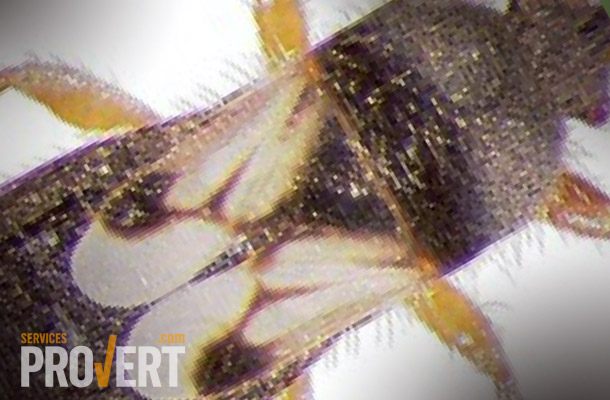
The hairy chinch bug is a lawn pest that feeds primarily on the grass tillers of turfgrass. Adult insects measure about 5 mm (half a centimeter) and typically overwinter near hedges, flower beds, or within plant debris.
In spring, as temperatures rise, adult chinch bugs become active again. Females lay their eggs in the grass thatch layer, usually between late May and early June.
When the eggs hatch, nymphs emerge and begin feeding by piercing grass blades and sucking the plant juices. This feeding gradually weakens the lawn.
As summer temperatures increase, the affected areas may become yellow, dry, and weakened, with damage becoming especially visible toward the end of July.
By fall, the nymphs mature into adults and move toward sheltered areas—often near hedges or plant debris—to overwinter until the following spring.
How to Reduce Damage
A healthy lawn is generally more resistant to insect damage.
Here are some practices that can help reduce chinch bug damage:
- Water the lawn during periods of extreme heat to reduce turf stress.
- Maintain a mowing height of 3 to 4 inches to encourage deeper roots.
- Avoid soil compaction and promote a dense, healthy lawn.
- Monitor the lawn for yellow or dry patches during the summer.
How to Check for Chinch Bugs in Your Lawn
You can detect chinch bugs using a simple test:
- Remove both ends of a metal can.
- Insert the can into the soil near a yellowing patch of lawn.
- Fill the can with slightly soapy water.
- Wait a few minutes.
If chinch bugs are present, they will float to the surface, confirming their presence.
What are chinch bugs?
Chinch bugs are small insects that feed on grass by piercing the blades and sucking plant juices, weakening the turf.
What are the signs of an infestation?
Infested lawns often show yellow or brown patches that expand during hot, dry weather.
When does damage usually appear?
Damage typically becomes noticeable in late July and throughout the summer when nymph populations are most active.
Are chinch bugs found in Quebec?
Yes. They are present in several regions of Quebec, including Greater Montreal, Laval, Longueuil, Brossard, the South Shore, and the North Shore, where they may damage lawns during the summer months.
Can watering reduce damage?
Yes. Proper watering during hot weather can help reduce lawn stress and limit chinch bug damage.
How can I confirm the presence of chinch bugs?
A simple soapy water test using a metal can often causes the insects to float to the surface, confirming their presence.

sur la Rive-Sud


