


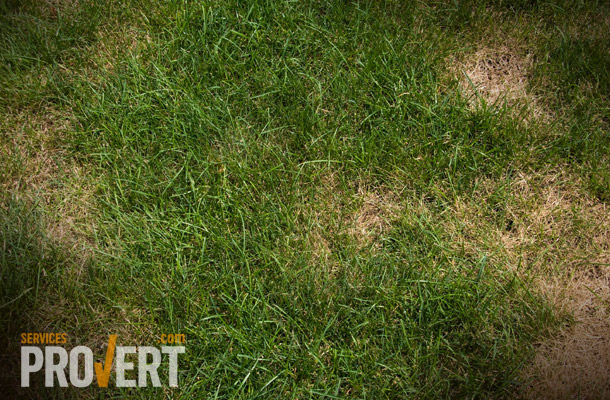
Anthracnose is a turfgrass disease caused by a fungus that primarily affects lawns that are already weakened by environmental stress, particularly high temperatures and drought conditions.
The most favorable conditions for this disease typically occur when temperatures range between 25 and 35 °C (77-95 °F)and when relative humidity is high, close to saturation. Under these conditions, the fungi responsible for anthracnose can infect and damage grass blades.
Lawns that are stressed by certain maintenance conditions are more vulnerable to this disease. Factors that may increase the severity of anthracnose include:
- insufficient fertilization, particularly a lack of nitrogen;
- compacted soil that restricts air and water movement;
- excessive thatch accumulation in the lawn;
- periods of intense heat combined with drought stress.
Symptoms of anthracnose usually appear as yellowing grass blades that gradually turn reddish-brown. Small black dots may also appear on the grass blades, representing the fungal spores produced by the pathogen.
Several lawn care practices can help reduce the risk of infection and limit the spread of the disease:
- Maintain adequate fertilization, especially nitrogen, before infection occurs.
- Dethatch the lawn when necessary to reduce excessive organic buildup.
- Aerate compacted soil to improve air, water, and nutrient movement.
- Water the lawn properly to prevent excessive drought stress.
- During periods of intense heat, lightly mist or cool the grass blades for a few minutes during the day to reduce stress.
- Overseed weakened or damaged areas to promote a denser and more resilient lawn.
Proper lawn maintenance and balanced cultural practices help strengthen turfgrass and reduce the risk of fungal diseases such as anthracnose.
What is anthracnose in lawns?
Anthracnose is a fungal lawn disease that affects turfgrass weakened by heat, drought, or nutrient deficiencies.
What are the signs of anthracnose in grass?
Common symptoms include yellowing grass that turns reddish-brown and the appearance of small black dots on grass blades, which are fungal spores.
Why does anthracnose develop in lawns?
Anthracnose usually appears when grass is under stress from factors such as heat, drought, compacted soil, excessive thatch, or poor fertilization.
How can anthracnose be prevented?
To reduce the risk:
- maintain balanced fertilization;
- aerate compacted soil;
- dethatch the lawn when necessary;
- water properly during dry periods.
Do you offer lawn care services in Quebec and Ontario?
Yes. Services Provert provides professional lawn care and treatment services throughout Quebec and southern Ontario, helping property owners maintain healthy lawns and prevent turf diseases.

sur la Rive-Sud


