Is Your Lawn Turning Yellow During Heat or Drought?
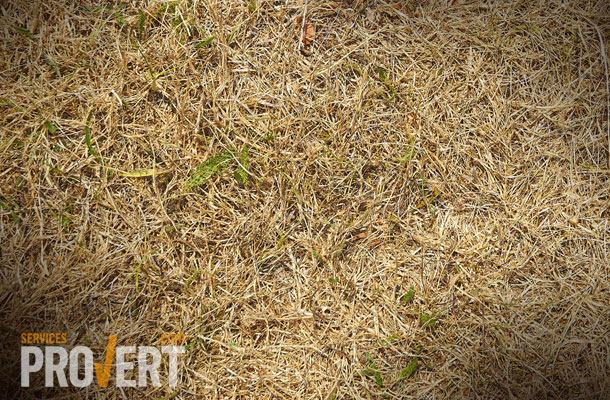
During periods of intense heat and limited rainfall, it is common for lawns to turn yellow and appear dry.
The good news is that your lawn is usually not dead. It has simply entered a natural state called dormancy.
Lawn Dormancy
When temperatures rise and water becomes scarce, grass reduces its metabolic activity to survive stressful conditions. This natural defense mechanism helps the lawn conserve energy and reduce moisture loss.
During dormancy, the lawn may appear yellow, dry, and less dense, but a mature lawn can remain in this state for several weeks without permanent damage.
Once conditions improve — through rainfall, irrigation, or cooler temperatures — the grass can resume growth and regain its green color.
Diseases Favored by Heat
Periods of intense heat and drought can also promote certain lawn diseases.
Anthracnose is a fungal disease that commonly affects lawns already stressed by high temperatures (often above 25°C / 77°F) and drought conditions.
A weakened lawn becomes more vulnerable to disease, which is why proper lawn care practices are important during heat waves.
Our Recommendations to Help Your Lawn Recover
- If possible, avoid mowing during extreme heat periods.
- Limit unnecessary foot traffic on the lawn.
- Continue to provide essential nutrients with an appropriate fertilizer.
- Water deeply once watering restrictions are lifted.
- After the lawn greens up again, maintain a mowing height of 3 to 4 inches to promote deeper root systems and better drought resistance.