Moss in Lawns
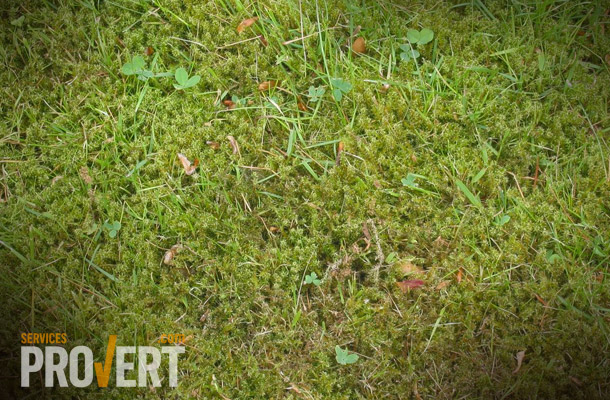
Moss is a small green plant that contains chlorophyll but does not have true roots. Instead, it attaches itself to the surface of the soil using tiny filaments called rhizoids, which allow it to absorb moisture and anchor itself to the ground. Moss gradually forms dense patches that can weaken and replace turfgrass.
The presence of moss in a lawn is usually a sign that the grass is growing under unfavorable conditions. Moss tends to thrive where turfgrass struggles.
Several factors can encourage moss growth, including:
- Excessive irrigation or consistently moist soil
- Heavy shade or lack of direct sunlight
- Compacted soil that restricts air and water movement
- Very short mowing height
- A thick layer of thatch
- Insufficient fertilization
- Acidic soil conditions
If these conditions persist, moss can remain present for many years and gradually spread across larger areas of the lawn.
To reduce moss and encourage a healthier lawn, it is important to improve the growing conditions for grass by:
- improving soil drainage and adjusting watering practices;
- increasing sunlight exposure when possible;
- aerating compacted soil;
- dethatching the lawn if necessary;
- applying balanced fertilization;
- maintaining proper mowing height.
By correcting the conditions that favor moss growth, turfgrass can gradually regain density and become stronger and more resilient.