Leaf Spot Disease in Lawns
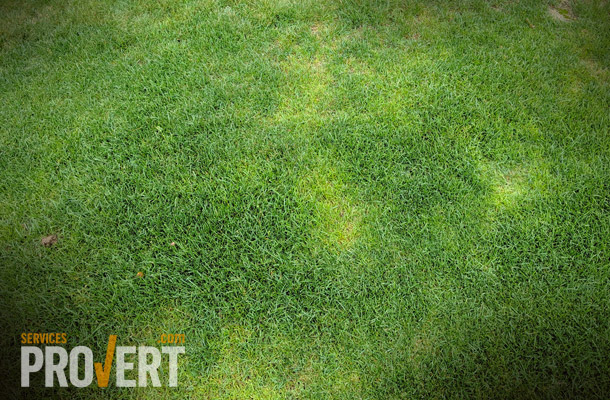
Leaf spot is a turfgrass disease caused by a fungus that infects the blades of grass. This disease most commonly appears in the spring, especially during periods characterized by cloudy weather, high humidity, and temperatures between 15 and 25 °C (59-77 °F).
An excess of nitrogen fertilizer can also encourage the development of this disease by promoting rapid but more vulnerable grass growth.
Symptoms of leaf spot disease appear as small oval-shaped spots on grass blades, typically purple, reddish-brown, or dark brown in color. If environmental conditions remain favorable for fungal activity, the infection may progress and lead to significant turf damage or dieback in affected areas.
Several lawn care practices can help reduce infection risk and improve turf resistance:
- Avoid mowing the lawn too short, as this weakens the grass.
- Moderate nitrogen fertilization to prevent excessive growth.
- Dethatch the lawn when necessary to reduce organic buildup.
- Aerate compacted soil to improve air and water circulation.
If parts of the lawn become severely damaged, overseeding may be necessary to restore turf density. The best periods for overseeding are in spring or late August, when growing conditions for turfgrass are most favorable.
A balanced lawn care program helps maintain a dense lawn that is more resistant to fungal diseases such as leaf spot.