Lawn Fertilization
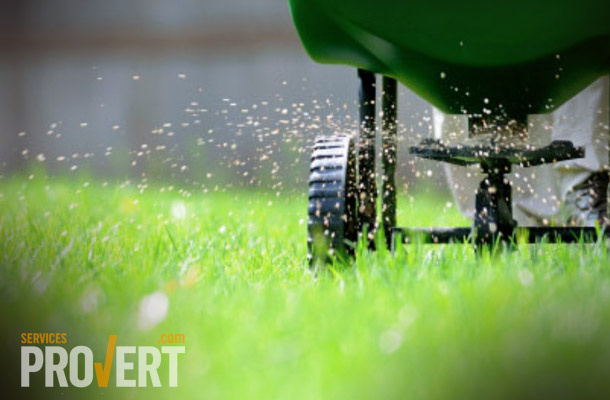
Like all plants, lawns require proper fertilization to remain dense, green, and healthy. A well-planned fertilization program provides turfgrass with the essential nutrients needed for growth and resistance to environmental stress.
Fertilizing a lawn involves more than simply applying fertilizer. It is important to determine which type of fertilizer to use, how much to apply per unit of area, and when applications should be made.
Grass clippings contain valuable nutrients. When they are left on the lawn after mowing, they decompose and return part of these nutrients to the soil, helping to naturally fertilize the lawn.
However, leaving grass clippings on the lawn does not completely replace fertilization. Some nutrients are lost through leaching, volatilization, or uptake by other soil organisms. As a result, not all nutrients contained in the clippings are recycled back into the lawn.
The most appropriate fertilizer and application rate should ideally be determined through a soil chemical analysis, which helps identify the specific needs of the lawn.
Depending on soil conditions, climate, and lawn health, fertilization may be applied several times during the growing season to maintain a balanced supply of nutrients.
Lawns primarily require several essential nutrients, including:
- Nitrogen (N), which promotes leaf growth and green color;
- Phosphorus (P), which supports root development;
- Potassium (K), which improves resistance to stress, disease, and environmental conditions.
Several types of lawn fertilizers are available, including:
- mineral fertilizers, which provide quick nutrient availability;
- organic fertilizers, derived from natural materials;
- natural or biological fertilizers, which also improve soil health.
Balanced fertilization combined with proper lawn care practices helps maintain a lawn that is dense, resilient, and visually appealing.